Guide
What Pottery Classes Actually Cost in India
Real prices from a working studio — what a pottery class costs across India, what we charge in Rakkar, and the five questions worth asking before you book anywhere.
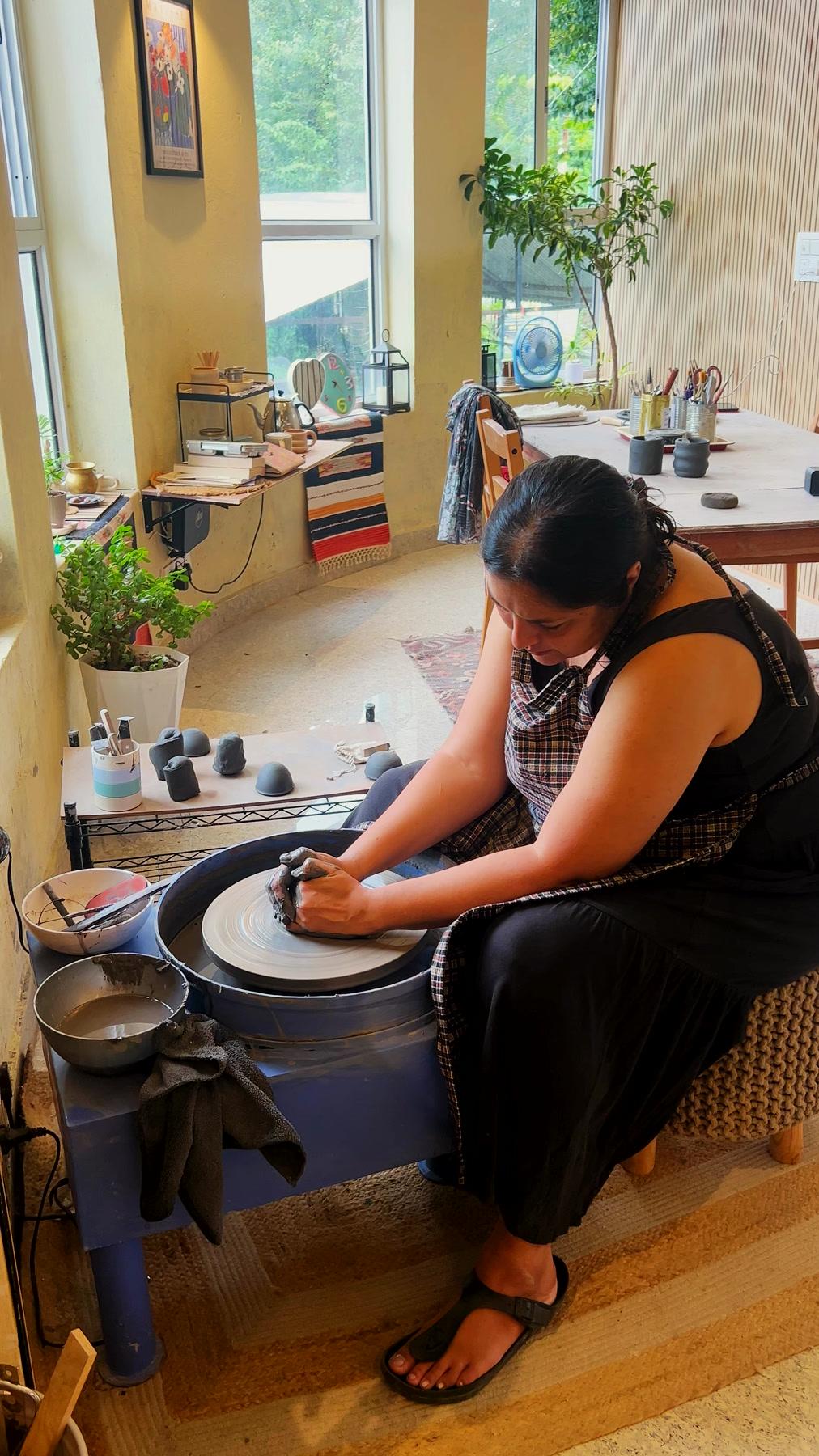
Almost nobody publishes their prices. Search for a pottery class in India and you will find studio after studio asking you to enquire on WhatsApp before they will tell you what an afternoon costs.
We would rather just tell you. Here is what we charge in Rakkar, what a class tends to cost elsewhere in the country, and — the part we think is actually useful — how to work out whether a price is fair before you hand anyone money.
What we charge
A weekend workshop at the studio is ₹2,500 per person. That buys a two-hour block: ninety minutes with your hands in clay, and half an hour to clean up afterwards. The clean-up is part of pottery, and we would rather put it on the price list than pretend the session is longer than it is.
Sip & Paint is ₹1,500. It is an hour rather than two, and there is no clay stage — you are painting a piece that has already been fired, which is why it costs less and why you can take it home the same day.
Monthly classes are ₹9,500 a month for eight two-hour sessions for adults, and ₹6,500 a month for the children's batch. That works out cheaper per hour than a one-off workshop, which is the point: a month is roughly where the wheel stops fighting you.
Two things sit outside the headline number because they genuinely vary. Firing is charged separately by the size of your piece, and extra studio time beyond your session is ₹1,500 an hour. Shipping a finished piece within India is ₹200 apiece.
What it costs elsewhere in India
Prices publicly listed as of August 2026, for a single beginner session.
In the metros — Mumbai, Pune and Bangalore — studios including PotteryDen, Clay & Glaze, Paint Cafe Studio and The Janbo sit roughly between ₹1,200 and ₹2,500 a head. That band covers most of what is openly advertised.
Specialist and small-group sessions climb from there, into the ₹5,000s for something longer or more involved.
Course blocks work differently again: around ₹15,000 for ten wheel-throwing sessions is typical. That is the shape most real learning takes, and it almost always costs less per hour than a one-off.
So the honest answer to "how much does a pottery course cost" is that a single session usually lands between ₹1,200 and ₹3,000, and anything much above that is buying you something specific. The rest of this piece is about what that something is.
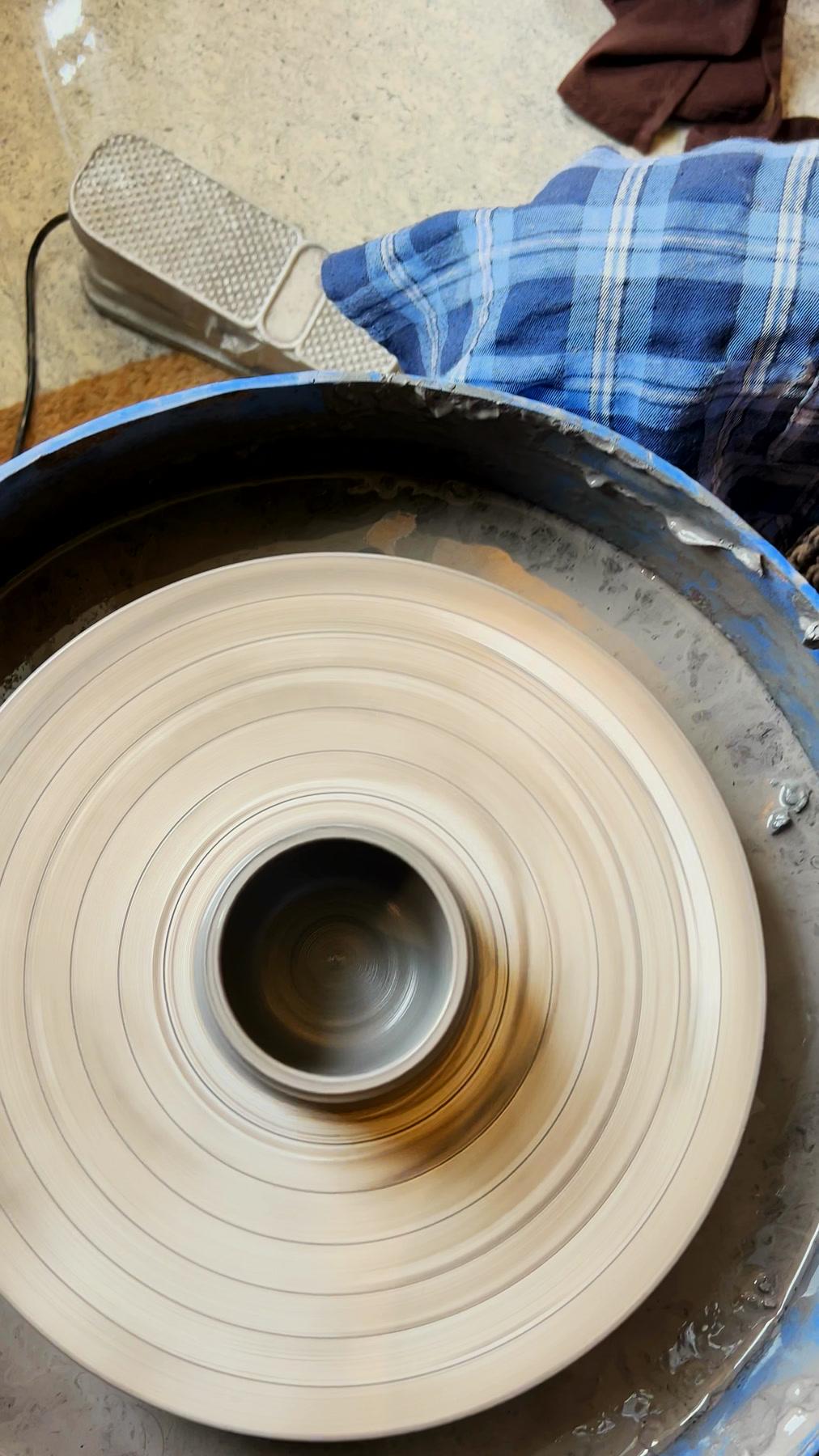
Why the same "pottery class" varies threefold
A ₹1,200 workshop and a ₹3,000 workshop are frequently not the same product. Four things move the number.
How many people share the teacher. This is the biggest one. A wheel is not something you learn by watching — someone has to put their hands over yours. Six people to one teacher is a completely different afternoon from sixteen. We cap wheel throwing at four for exactly this reason.
Whether firing is included. A kiln load runs for hours at over a thousand degrees, and a share of that electricity belongs to your mug. Glazed work needs two firings, weeks apart. Studios either build that into the price or charge it afterwards — neither is wrong, but only one of them tells you upfront.
Whether the clay becomes yours. In a lot of taster sessions the clay is reclaimed at the end and nothing is fired. That is a legitimate and cheaper experience — an afternoon of throwing, rather than an object. It is worth knowing which one you have booked.
What happens when it goes wrong. First attempts crack. Uneven walls cannot always be trimmed without the piece failing. A studio that fires everything is absorbing those losses somewhere in the price.
Five questions worth asking before you book anywhere
Not just here. Ask any studio these and you will know exactly what you are buying.
- How many people to one teacher? If they will not say, assume it is a lot.
- Is firing included, or charged afterwards? And if afterwards, roughly how much?
- Do I take a finished piece home, or is this a throwing session? Both are fine. Confusing the two is what ruins an afternoon.
- How long until I can collect it? Anything kiln-fired is weeks, not days. If you are travelling, this one decides everything.
- What happens if it breaks in the kiln? Ask before, not after.
For the record, our answers: up to six, and four at the wheel; charged afterwards by size; you take home a finished piece; three to six weeks; and we will tell you honestly if it cracked and what we can do about it.
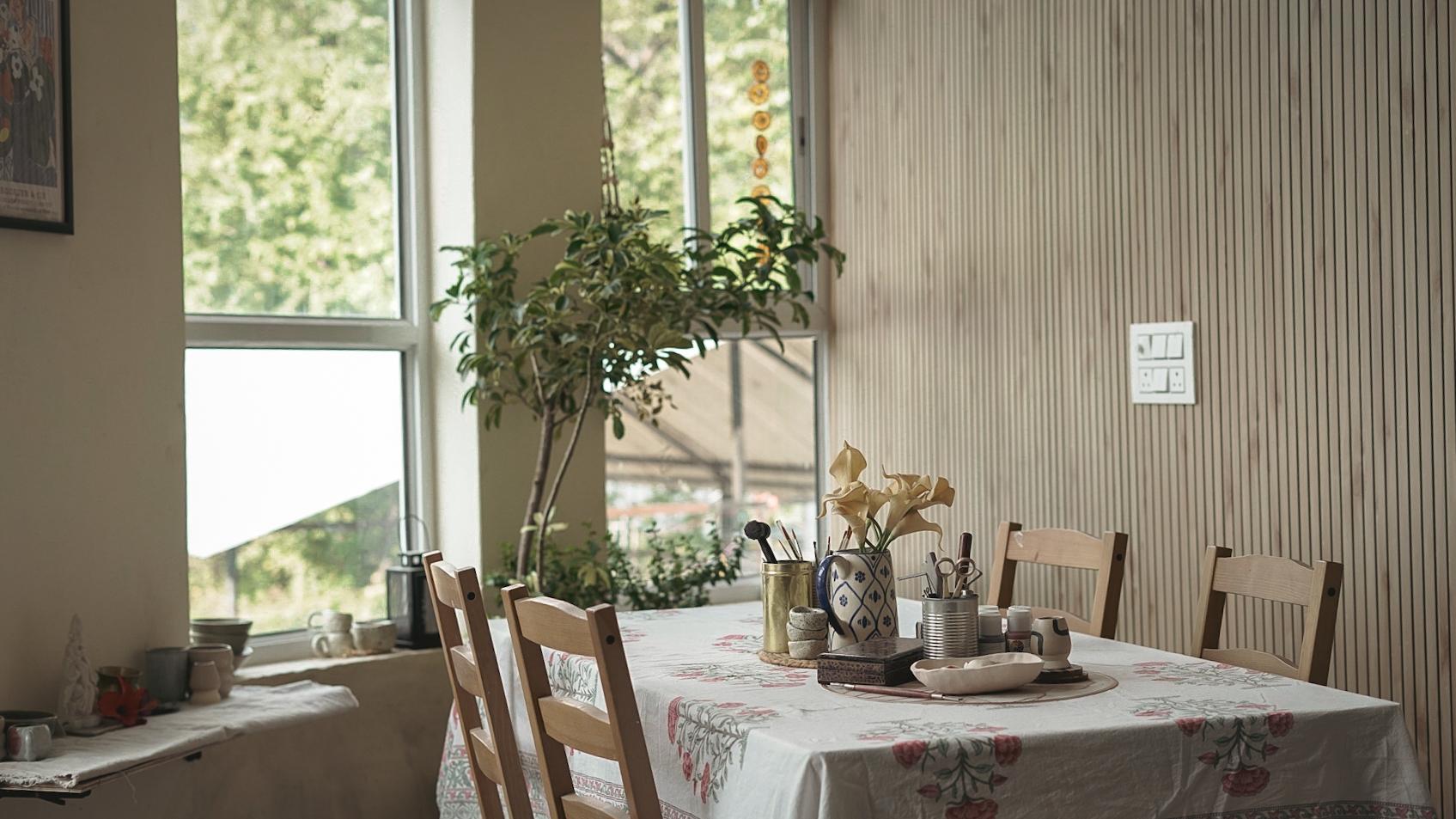
If you are travelling, price is not the deciding factor
Timing is. A kiln-fired piece takes three to six weeks before it is finished and food-safe, so if you are in the Kangra Valley for four days the real question is not "what does it cost" but "what can I actually leave with".
That is why Sip & Paint exists at a lower price — it is same-day. If you want clay and you are leaving sooner than the kiln allows, we ship. What each format involves is on the workshop pages, and if you want the longer version of what a first session actually feels like, the hand-building guide walks through one from the beginning.
Planning a wider trip around it? Our piece on what to do in Dharamshala beyond the monasteries maps out the craft side of the valley — Norbulingka, the Andretta potters, and where a studio afternoon fits between them.
Ask us anything about this
If you are comparing studios — here or anywhere — and want a straight answer about what something should cost, message the studio on WhatsApp. We will tell you what we know, including when someone else is a better fit for what you are after. We would rather you had a good afternoon at a wheel than a disappointing one at ours.
Keep exploring
Book a session
Tell us the dates you are around and we will confirm a slot — or just message +91 88796 54294 and ask us anything first.